rmgrowthxmedia.com

Digital Marketing Tips

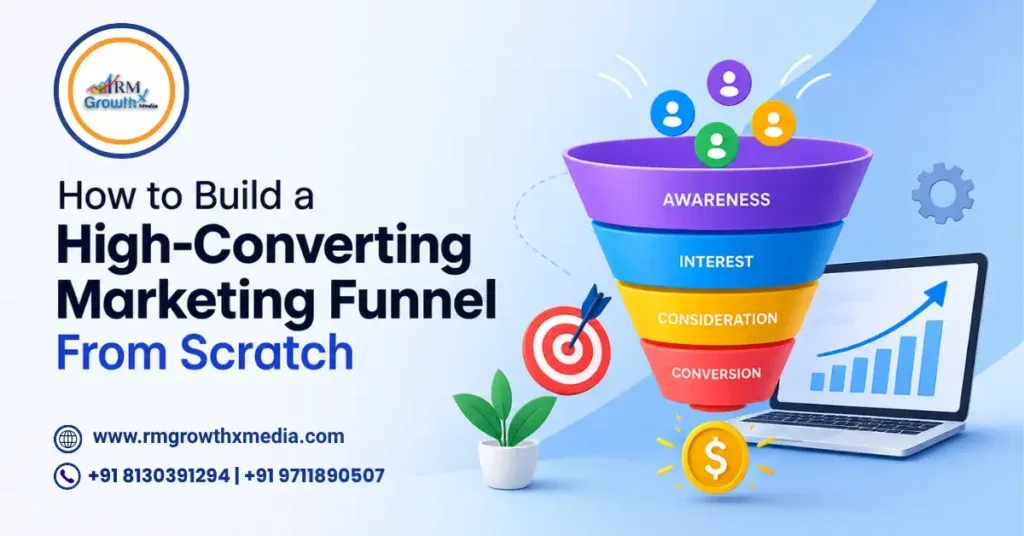
Marketing funnel stages from awareness to conversion and retention

How to Build a High-Converting Marketing Funnel From Scratch

Discover how to build a high-converting marketing funnel from scratch. Learn to attract the right audience, nurture leads, optimize landing pages, track conversions, and improve marketing performance.

How to Build a High-Converting Marketing Funnel From Scratch Read More »

Digital Marketing Tips, , , , , , ,
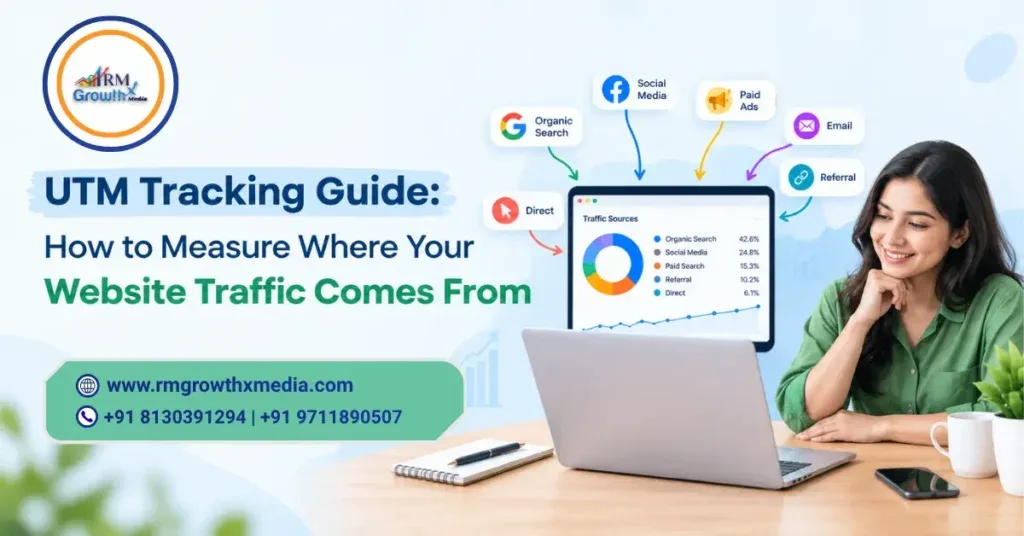
UTM tracking guide showing website traffic sources and campaign analytics

UTM Tracking Guide: How to Measure Where Your Website Traffic Comes From

This UTM tracking guide explains how to use UTM parameters to measure website traffic sources, campaigns, channels, and marketing performance.

UTM Tracking Guide: How to Measure Where Your Website Traffic Comes From Read More »

Digital Marketing Tips, , , , , , , ,
Digital marketing strategist analyzing target audience segments for a campaign

How to Find the Right Target Audience for Your Digital Marketing Campaigns

Learn how to identify the right target audience for digital marketing campaigns using customer research, behavioral data, audience segmentation, search intent, and campaign performance.

How to Find the Right Target Audience for Your Digital Marketing Campaigns Read More »

Digital Marketing Tips, , , , , ,
Digital Marketing Tips to Reduce Customer Acquisition Costs

Digital Marketing Tips to Reduce Customer Acquisition Costs

Looking for practical Digital Marketing Tips to reduce customer acquisition costs? Learn how to improve targeting, conversion rates, SEO, content, paid advertising, retargeting, email marketing, and customer retention to acquire customers more efficiently.

Digital Marketing Tips to Reduce Customer Acquisition Costs Read More »

Digital Marketing Tips, , , , , , , , , , ,
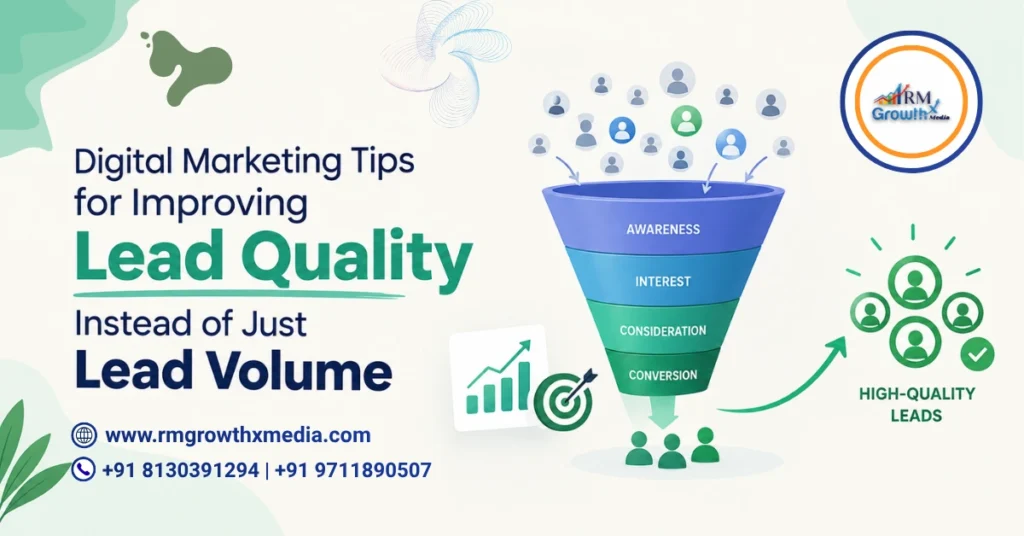
Digital Marketing Tips for improving lead quality

Digital Marketing Tips for Improving Lead Quality Instead of Just Lead Volume

Want better leads instead of simply more leads? These Digital Marketing Tips can help your business improve audience targeting, lead qualification, landing pages, content, paid campaigns, and nurturing strategies to attract prospects who are more likely to convert.

Digital Marketing Tips for Improving Lead Quality Instead of Just Lead Volume Read More »

Digital Marketing Tips, , , , , , , , ,
email marketing

The Ultimate Guide to Email Marketing for Businesses

Email remains one of the most powerful digital channels for building relationships and driving revenue. Whether you’re a startup, a growing brand, or an enterprise organization, Email Marketing for Businesses delivers measurable results when done strategically. At RM Growthx Media, we help brands implement result-driven email marketing systems that nurture leads, increase engagement, and drive consistent conversions. This comprehensive Email marketing guide will walk you through proven tactics, tools, and frameworks to create campaigns that strengthen customer relationships and boost ROI. What is Email Marketing for Businesses? Email Marketing for Businesses is the strategic use of email campaigns to communicate with prospects and customers. It includes promotional emails, newsletters, automated workflows, and personalized messages designed to guide users through the buyer journey. Unlike social media platforms, email provides direct access to your audience. With a structured Email marketing strategy, businesses can control messaging, segmentation, and performance tracking effectively. Why Business Email Marketing Matters 1. High Return on Investment (ROI) A well-executed Business email marketing campaign consistently delivers strong ROI compared to paid advertising channels. 2. Direct & Personalized Communication Emails create a one-to-one communication channel, increasing trust and engagement. 3. Stronger Customer Retention Regular value-based communication strengthens brand loyalty. 4. Higher Conversions Optimized emails help Increase email conversions through strategic CTAs and targeted messaging. Building a Powerful Email Marketing Strategy A structured Email marketing strategy includes goal-setting, segmentation, personalization, automation, and analysis. At RM Growthx Media, we recommend a step-by-step approach: Step 1: Define Clear Objectives Lead generation Customer retention Brand awareness Sales growth Step 2: Build and Segment Your Email List Effective Small business email marketing begins with list building. List-building methods include: Website opt-in forms Downloadable resources Social media campaigns Landing pages Segmentation allows businesses to send targeted campaigns based on: User behavior Purchase history Location Engagement levels Segmentation significantly helps Increase email conversions. Essential Types of Business Email Marketing Campaigns Welcome Emails Introduce your brand and set communication expectations. Promotional Campaigns Drive sales through discounts and offers. Newsletter Emails Share industry insights and updates. Automated Drip Campaigns Modern Email marketing tools enable automation workflows that nurture leads over time. Best Email Marketing Tools for Businesses Selecting the right Email marketing tools is essential for campaign success. Popular platforms include: Mailchimp HubSpot ActiveCampaign ConvertKit These tools support: Email automation A/B testing Performance tracking Template customization At RM Growthx Media, we help businesses choose and integrate the right tools based on their goals and budget. B2B Email Marketing Strategy Explained A B2B email marketing strategy focuses on nurturing decision-makers through educational content and long sales cycles. Key Components Case studies Industry reports Webinars Product demonstrations Personalized follow-ups B2B campaigns prioritize relationship-building over quick conversions. Small Business Email Marketing Best Practices For startups and entrepreneurs, Small business email marketing is one of the most affordable growth channels.      Actionable Tips Maintain consistent sending schedules Focus on value-driven content Use simple automation workflows Monitor performance metrics regularly Even with limited budgets, small businesses can compete effectively using structured Email marketing strategy techniques. How to Increase Email Conversions To successfully Increase email conversions, follow these optimization strategies: A/B Testing Test subject lines, CTAs, layouts, and send times. Mobile Optimization Ensure responsive email design for better engagement. Clear & Strong CTAs Encourage users to: Shop Now Download Book a Call Register Personalization & Automation Leverage behavior-triggered emails for higher relevance. Metrics to Track in Email Marketing Every Email marketing guide must emphasize performance measurement. Track these KPIs: Open Rate Click-Through Rate Conversion Rate Bounce Rate Unsubscribe Rate ROI Regular monitoring helps refine your Business email marketing campaigns for better outcomes. Common Email Marketing Mistakes to Avoid Sending generic emails without segmentation   Ignoring analytics   Overloading subscribers with frequent emails   Using unclear CTAs   Failing to personalize content   Avoiding these mistakes strengthens your overall Email marketing strategy. Future Trends in Email Marketing for Businesses The evolution of Email Marketing for Businesses includes: AI-Driven Personalization Smart algorithms improve targeting accuracy. Interactive Emails Clickable elements increase engagement rates. Advanced Automation Smarter workflows reduce manual effort and increase efficiency. Staying updated ensures your Business email marketing remains competitive in a dynamic digital landscape. Frequently Asked Questions 1. What is the best Email marketing strategy for businesses? A successful Email marketing strategy includes segmentation, automation, personalization, and consistent performance tracking. 2. How can I increase email conversions? To Increase email conversions, optimize subject lines, personalize content, test CTAs, and analyze metrics regularly. 3. Is email marketing effective for small businesses? Yes, Small business email marketing is cost-effective and highly scalable. 4. What tools are best for Business email marketing? Reliable Email marketing tools like Mailchimp and HubSpot offer automation and analytics features. 5. How does B2B email marketing differ from B2C? A B2B email marketing strategy focuses on education, long-term nurturing, and relationship-building. Conclusion Email Marketing for Businesses continues to be one of the most powerful and cost-effective digital marketing strategies. With the right Email marketing strategy, smart use of Email marketing tools, and continuous optimization to Increase email conversions, businesses can achieve sustainable growth. At RM Growthx Media, we specialize in creating data-driven, high-converting Business email marketing campaigns tailored to your goals. Ready to transform your email marketing results? Let RM Growthx Media help you build a strategy that drives measurable success.

The Ultimate Guide to Email Marketing for Businesses Read More »

Digital Marketing Tips, ,
influencer marketing guide

The Ultimate Influencer Marketing Guide for Businesses

Influencer marketing has become one of the most effective digital strategies for brands aiming to build trust, boost visibility, and achieve measurable growth. In this influencer marketing guide, we break down everything businesses need to know—from strategy and benefits to campaigns and proven best practices—so you can confidently scale your brand through creator partnerships .Whether you’re a startup, SME, or an established company, that helps you understand how the process works and how collaborating with the right creators or a professional influencer marketing agency can deliver real, long-term results. What Is Influencer Marketing? Influencer marketing is a form of digital marketing where brands collaborate with individuals who have a loyal and engaged audience on social media platforms. These influencers promote products or services in an authentic way that feels more personal than traditional advertising. The goal is simple: leverage trust. When influencers recommend a brand, their audience is more likely to listen, engage, and convert. Why Influencer Marketing Matters Today Consumers trust people more than ads. Influencers bridge the gap between brands and customers by creating relatable, credible content that drives action. Influencer Marketing for Businesses: Why It Works Influencer marketing is no longer limited to big brands with massive budgets. Today, influencer marketing for small businesses is just as effective—sometimes even more so—thanks to niche creators and micro-influencers. Key Reasons Businesses Use Influencer Marketing Builds brand credibility and trust Reaches highly targeted audiences Boosts engagement and conversions Supports long-term brand awareness When executed correctly, influencer marketing delivers a higher ROI compared to many traditional marketing channels. Influencer Marketing Benefits Understanding the influencer marketing benefits helps businesses justify their investment and plan smarter campaigns. 1. Increased Brand Awareness Influencers introduce your brand to new audiences who already trust their recommendations. 2. Higher Engagement Rates Influencer content often receives more likes, comments, and shares than brand-created content. 3. Improved Conversion Rates Authentic influencer endorsements can significantly influence purchasing decisions. 4. Cost-Effective Marketing Compared to paid ads, influencer marketing campaigns can deliver strong results at a lower cost—especially for small businesses. Types of Influencers You Can Work With Choosing the right influencer is critical for campaign success. Nano Influencers (1K–10K Followers) Ideal for local brands and small businesses looking for high engagement and affordability. Micro Influencers (10K–100K Followers) Perfect for niche targeting and strong audience trust. Macro Influencers (100K–1M Followers) Great for broader brand awareness and larger campaigns. Mega Influencers & Celebrities Best suited for national or global brand visibility with bigger budgets. Influencer Marketing Strategy: Step-by-Step A well-planned influencer marketing strategy ensures consistent and measurable results. Step 1: Define Your Goals Decide whether your goal is brand awareness, lead generation, website traffic, or sales. Step 2: Identify Your Target Audience Understand who you want to reach and which platforms they use most. Step 3: Choose the Right Influencers Look beyond follower count—focus on engagement, relevance, and authenticity. Step 4: Plan Content Collaborations Allow influencers creative freedom while aligning with your brand message. Step 5: Track Performance Measure reach, engagement, conversions, and ROI to refine your strategy. Influencer Marketing Campaign: How to Execute Successfully An effective influencer marketing campaign requires clear planning and communication. Campaign Types Sponsored posts Product reviews Unboxings Giveaways Brand ambassadorships Best Practices for Campaign Execution Set clear expectations and deliverables Use tracking links or promo codes Maintain transparent communication Ensure disclosure and compliance Influencer Marketing Strategy for Brands Every brand needs a customized approach. A strong influencer marketing strategy for brands focuses on long-term relationships rather than one-off promotions. Long-Term vs Short-Term Campaigns Long-term collaborations build stronger brand affinity and consistent results, while short-term campaigns work well for product launches or seasonal promotions. Influencer Marketing Tips for Better Results These influencer marketing tips can help businesses maximize ROI: Partner with influencers who align with your brand values Focus on storytelling, not hard selling Repurpose influencer content across channels Test multiple influencers and formats Analyze results and optimize future campaigns Influencer Marketing for Small Businesses Influencer marketing for small businesses is highly effective when done strategically. Why Small Businesses Should Use Influencer Marketing Affordable collaborations with micro-influencers Local and niche targeting Authentic brand storytelling Small businesses can compete with larger brands by focusing on creativity and genuine partnerships. Role of an Influencer Marketing Agency Working with an experienced influencer marketing agency can save time and improve results. What an Influencer Marketing Agency Does Influencer research and outreach Campaign strategy and execution Content coordination Performance tracking and reporting Partnering with professional influencer marketing services ensures campaigns are data-driven and scalable. Influencer Marketing Services: What to Look For When choosing influencer marketing services, consider: Proven industry experience Transparent pricing Data-driven strategy Strong influencer network Clear reporting and ROI tracking Common Mistakes to Avoid Avoid these common influencer marketing mistakes: Choosing influencers based only on follower count Ignoring audience relevance Lack of clear goals Poor communication Not tracking campaign performance Future of Influencer Marketing Influencer marketing continues to evolve with trends like: AI-powered influencer discovery Short-form video dominance Performance-based collaborations Authentic, value-driven content Businesses that adapt early will gain a competitive edge. Frequently Asked Questions 1.What is influencer marketing? Influencer marketing is a digital marketing approach where businesses collaborate with influencers to promote products or services to a targeted and engaged audience through authentic content. 2.How does influencer marketing help businesses? Influencer marketing helps businesses build trust, increase brand awareness, improve engagement, and drive conversions by leveraging the credibility of influencers. 3.Is influencer marketing effective for small businesses? Yes, influencer marketing for small businesses is highly effective, especially when working with micro or nano influencers who have strong engagement and niche audiences. 4.How do I create a successful influencer marketing strategy? A successful influencer marketing strategy involves setting clear goals, choosing the right influencers, planning content, tracking performance, and optimizing campaigns based on data. What does an influencer marketing agency do? An influencer marketing agency manages end-to-end campaigns, including influencer research, outreach, content coordination, performance tracking, and reporting. Conclusion Influencer marketing is no longer optional—it’s a powerful driver of modern digital growth.

The Ultimate Influencer Marketing Guide for Businesses Read More »

Digital Marketing Tips, , , ,
social media marketing

Social Media Marketing for Beginners: Step-by-Step Success Guide

Introduction Welcome to your ultimate social media marketing step by step guide — especially curated for beginners who want to build a strong online presence, grow engagement, and drive business success. Whether you’re starting with zero followers or looking to sharpen your skills, this guide breaks down social media marketing basics into actionable steps anyone can follow.Social media marketing is the practice of using platforms like Facebook, Instagram, LinkedIn, and others to engage audiences, build brand awareness, and grow your business online. With the right approach, even newcomers can leverage social platforms effectively to connect with customers and achieve measurable results. 1. What Is Social Media Marketing? At its core, social media marketing basics involve using social platforms to promote content, connect with audiences, and achieve business goals such as increased visibility, engagement, leads, or sales. It’s not just about posting regularly — it’s about strategic planning, meaningful engagement, tracking results, and optimization.In today’s digital world, social media is one of the most cost-effective and influential marketing channels available. With billions of users active daily, it offers businesses a massive opportunity to grow. 2. Step 1: Define Your Goals The first step in your social media marketing step by step journey is to set clear goals. Ask yourself. What do you want to achieve with your social media efforts? Common objectives include: Increasing brand awareness Growing audience engagement Driving traffic to your website Generating leads Increasing sales Providing customer support You can use the SMART framework (Specific, Measurable, Achievable, Relevant, Time-bound) to keep your goals focused and trackable. 3. Step 2: Know Your Audience Understanding your audience is essential for successful social media marketing. Begin by identifying: Demographics (age, gender, location) Interests and hobbies Pain points and needs Social platform behavior (where they spend time online) Once you know your audience, you can tailor your content to serve them value — rather than just broadcasting generic posts. 4. Step 3: Choose the Right Platforms Not all platforms will be perfect for your business. As a beginner, it’s wise to start with a few where your audience is most active. For example: Instagram: Great for visual storytelling and lifestyle brands Facebook: Ideal for community building and advertisements LinkedIn: Best for B2B and professional networking Choose platforms strategically instead of trying to be everywhere. Focus builds quality 5. Step 4: Build Your Profile & Brand Voice Your profile is your digital storefront. Ensure it communicates your brand clearly: A clear and high-quality profile image (logo if business) A keyword-rich bio with a value proposition Website link or CTA Consistent brand tone and aesthetics A consistent tone and style help build brand trust and recognition. 6. Step 5: Create Your Social Media Marketing Strategy A strong social media marketing strategy for beginners provides the roadmap for all your activities. Key elements include: Content planning: Decide what content you’ll share and why Posting schedule: Consistency is vital — use a content calendar to plan posts Engagement plan: Respond to comments and messages quickly Analytics tracking: Use built-in tools to measure results and optimize An organized strategy prevents guesswork and ensures every post serves a purpose. 7. Step 6: Content Planning & Creation Content is the heart of social media. For beginners, focus on content that: 1. Educates 2. Engages 3. Inspires 4. Entertains Common content types include: Text posts with tips or insights Images and graphics Short videos & reels Polls and interactive content Behind-the-scenes stories A balanced mix keeps your feed fresh and engaging. Use a content calendar to plan posts weeks ahead for consistency. 8. Step 7: Engagement & Growth Engagement is more than likes — it’s about building relationships. Some effective social media marketing tips for beginners include: 💬 Respond promptly to comments and messages 💡 Ask questions to encourage conversations 📣 Feature user-generated content (UGC) 🤝 Collaborate with influencers or community members Active engagement helps nurture loyalty and improves your visibility within platform algorithms. 9. Step 8: Analytics & Improvement To ensure your strategy is working, tracking basic analytics is crucial: 1.Reach and impressions 2. Engagement (likes, comments, shares) 3.Website traffic from social platforms 4. Conversion metrics These data points reveal what content resonates best and where you should double down or adjust your strategy. Always refine based on performance insights. 10. Step 9: Tips for Small Businesses If you’re running social media marketing for small businesses, consider the following: 🔹 Focus on platforms where your customers spend time 🔹 Blend free organic posts with low-cost ads for visibility 🔹 Encourage reviews and testimonials 🔹 Use scheduling tools like Buffer or Hootsuite 🔹 Optimize visuals and captions for mobile audiences Small tweaks can create big impacts as your business presence grows online. Frequently Asked Questions 1. What is social media marketing step by step? Social media marketing step by step means planning your goals, choosing the right platforms, creating content, posting consistently, engaging with your audience, and tracking results to improve performance. 2. What are the basic concepts of social media marketing? The social media marketing basics include profile optimization, content creation, regular posting, audience engagement, and performance analysis. 3. Is social media marketing good for beginners? Yes, social media marketing is ideal for beginners because it is easy to start, budget-friendly, and helps build brand awareness and customer engagement quickly. 4. How can beginners start social media marketing? Beginners can start by understanding their audience, selecting one or two platforms, creating valuable content, and following a simple social media marketing strategy for beginners. 5. Is social media marketing useful for small businesses? Yes, social media marketing for small businesses helps increase visibility, connect with customers, and generate leads without a high marketing budget. Conclusion Social media marketing may feel overwhelming in the beginning, but with the right strategy and consistent effort, anyone can build a strong online presence and grow their brand. By setting clear goals, understanding your audience, choosing the right platforms, creating valuable content, and tracking performance, you can achieve long-term success step by step. At

Social Media Marketing for Beginners: Step-by-Step Success Guide Read More »

Digital Marketing Tips, , , , , , ,
What is performance marketing definition and key channels diagram

What Is Performance Marketing

Performance marketing is a results-driven digital marketing approach where businesses pay only for measurable actions like clicks, leads, or sales. It focuses on data, transparency, and ROI, making it ideal for brands seeking fast, scalable, and trackable growth.

What Is Performance Marketing Read More »

Digital Marketing Tips, , , ,